Rightsize & Thrive: Expert Advice for Making the Most of Your Next Chapter
FAQ General information disclaimer: The information in this article is general in nature and is based on topics discussed at the Rightsize & Thrive Forum. It does not constitute personal medical, financial or legal advice. Retirement village fees, contract arrangements and individual entitlements vary. Seek advice from appropriately qualified professionals before making decisions about your […]
What does it mean to live well as we grow older?
For some, it means having more time to travel, pursue hobbies or spend time with family. For others, it means simplifying everyday responsibilities, maintaining independence and finding a home that better supports the life they want to live.
Whatever your priorities, planning for the future involves more than deciding where to live. Understanding your health, finances, legal rights and practical options can help you make informed decisions with confidence.
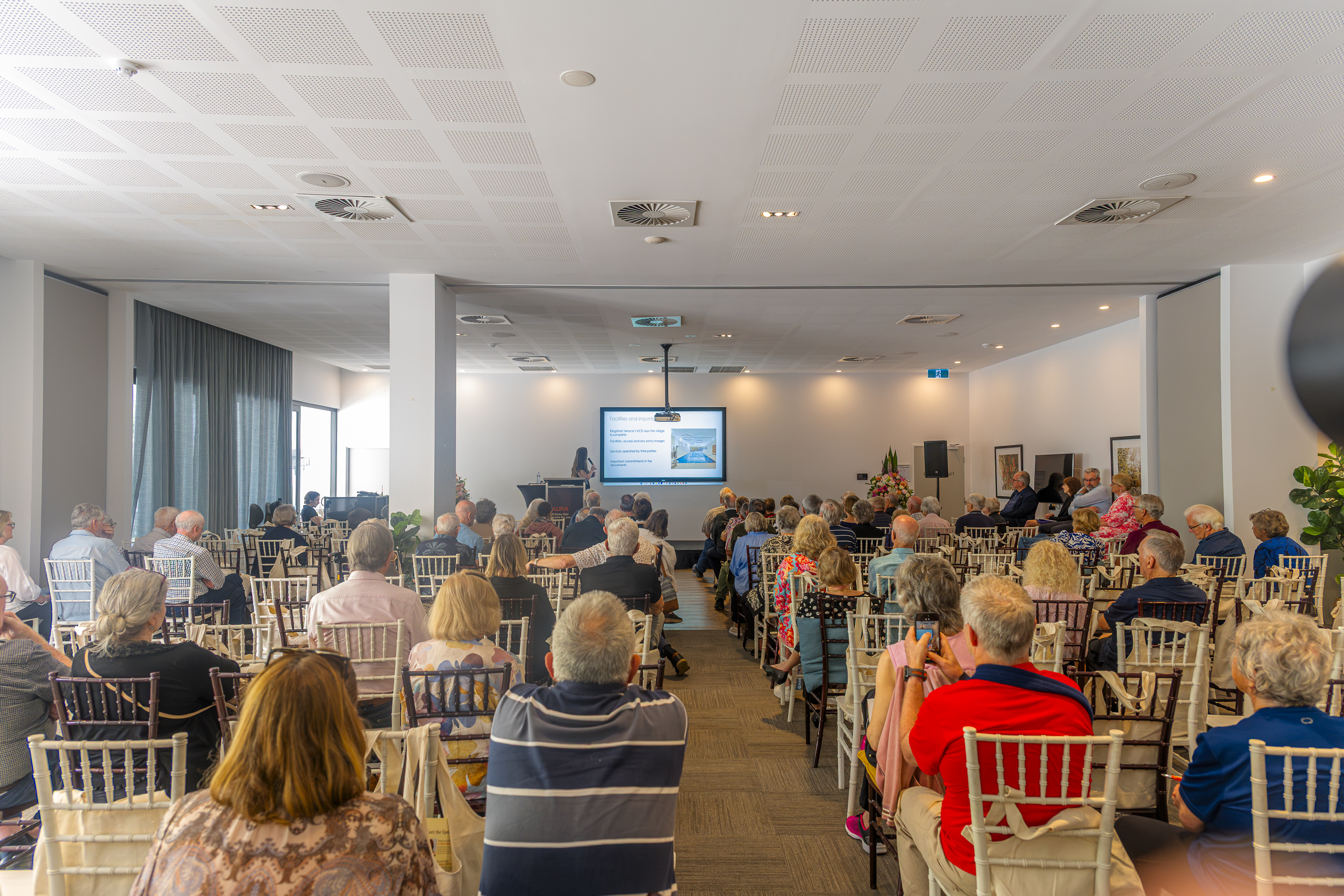
That was the focus of Aura Holdings’ Rightsize & Thrive Forum, held at Kingsford Terrace Corinda.
Hosted by Classic Hits 4BH presenter BBQ Bob Gallagher, the event brought together experts in brain health, financial planning, retirement living law and downsizing to share practical advice for navigating life’s next chapter.
Guests also had the opportunity to ask questions, connect with the speakers and explore the apartments and community facilities at Kingsford Terrace Corinda. For those who couldn’t attend, we’ve gathered
Looking after your brain health at every age
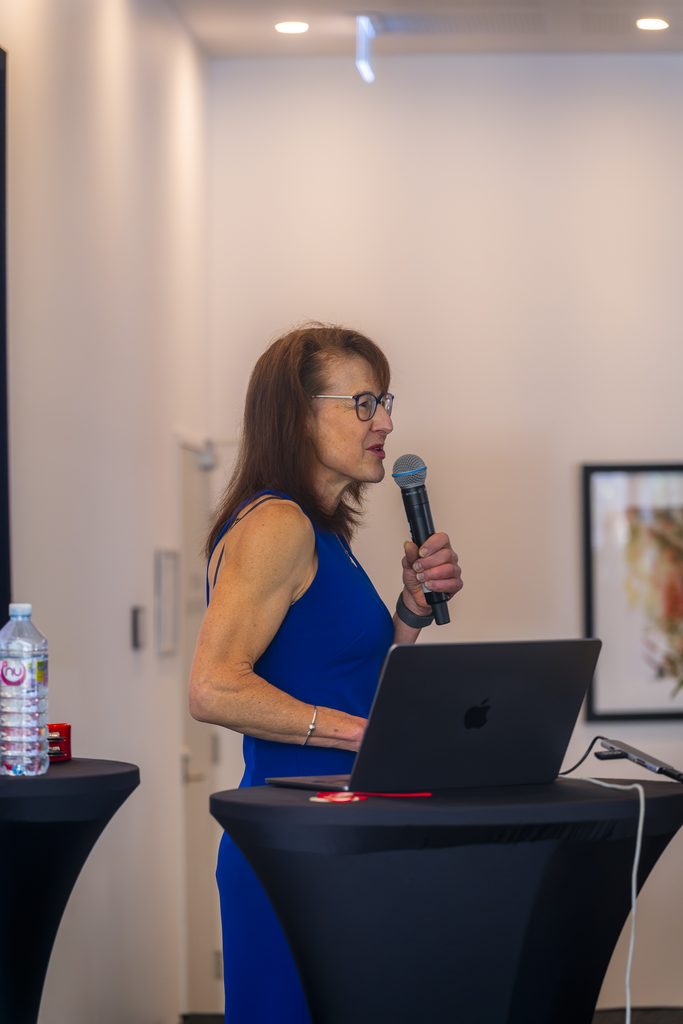
Dr Helena Popovic | Brain Health and Positive Ageing
A healthy brain plays an important role in maintaining independence, confidence and quality of life as we age. But as Dr Helena Popovic explained, we can start looking after our brain at any age.
Dr Popovic, a medical doctor, author and advocate for brain health, challenged the assumption that cognitive decline is simply an unavoidable part of getting older.
Her presentation explored neuroplasticity, the brain’s ability to adapt and form new connections, and how our everyday habits can influence cognitive wellbeing.
While familiar, advice such as eating well, exercising, and getting enough sleep remains important, Dr Popovic encouraged guests to consider some less obvious contributors to brain health.
Key takeaways from Dr Popovic’s presentation:
- Find purpose in everyday life. Having meaningful goals, responsibilities and activities gives us something to look forward to. Purpose can be as simple as caring for the garden, learning a new skill or staying involved in your community.
- Make time for moments of awe. Appreciating nature, music, art or a beautiful view can encourage curiosity, shift our attention away from everyday worries and support emotional wellbeing.
- Move more and interrupt prolonged sitting. Physical activity benefits the brain as well as the body. Dr Popovic encouraged guests to stand, stretch and move regularly throughout the day.
- Look after your oral health. Dr Popovic discussed research investigating links between gum disease, inflammation and cognitive health, highlighting another reason to maintain regular dental care.
- Stay curious and connected. Continuing to learn, engaging with others and participating in meaningful activities can help keep the mind active.
One of the strongest messages from her presentation was that growing older doesn’t mean we need to stop challenging ourselves, trying new things or finding joy in everyday experiences.
And importantly, brain health isn’t just a consideration for retirement. These are habits that can benefit people throughout adulthood.
Understanding the financial side of retirement living
Brad Monk | LifePath Financial Planning
For many people considering rightsizing or moving into a retirement community, understanding the financial implications is an essential part of making the right decision.
Brad Monk, Certified Financial Planner and Co-Founder of LifePath Financial Planning, helped demystify some of the financial considerations associated with retirement village living.
One of his central messages was that moving into a retirement village shouldn’t be assessed in the same way as purchasing a traditional investment property.
Instead, it is important to consider the lifestyle, services, convenience and community you receive in return, alongside the financial costs.
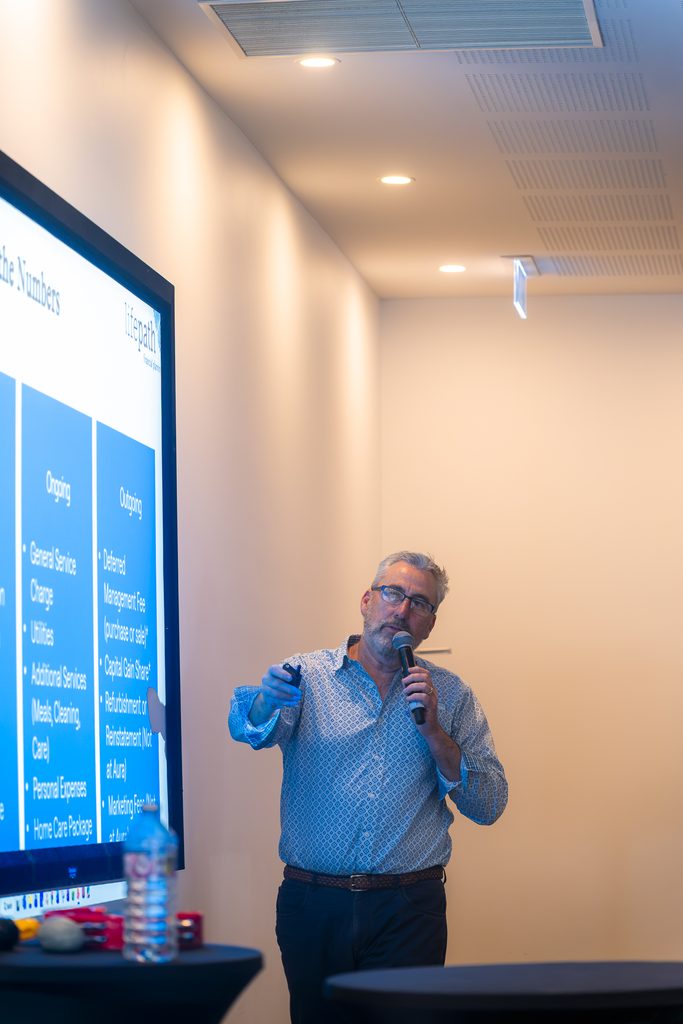
What costs should you consider when moving into a retirement village?
Brad encouraged guests to look at three stages of the financial journey:
1. Entry costs
These may include the amount payable to secure your residence and other costs associated with entering into the agreement.
2. Ongoing costs
Retirement villages typically have regular fees, often referred to as general services charges, which contribute towards the operation and maintenance of shared facilities and services.
3. Exit costs
Depending on the contract, costs may apply when you leave the village, including a deferred management fee. The amount and calculation method depend on the agreement.
Brad also discussed how different contract options can suit different financial circumstances and priorities.
For some people, the focus may be on preserving capital or understanding what their estate may receive in the future. For others, affordability, cash flow and certainty may be more important.
He also touched on how downsizing can affect superannuation and Age Pension entitlements, demonstrating why individual circumstances matter.
The key takeaway? Understand the full cost of living in a retirement village, consider what matters most to you and seek independent financial advice before making a decision.
Know your rights before making a move
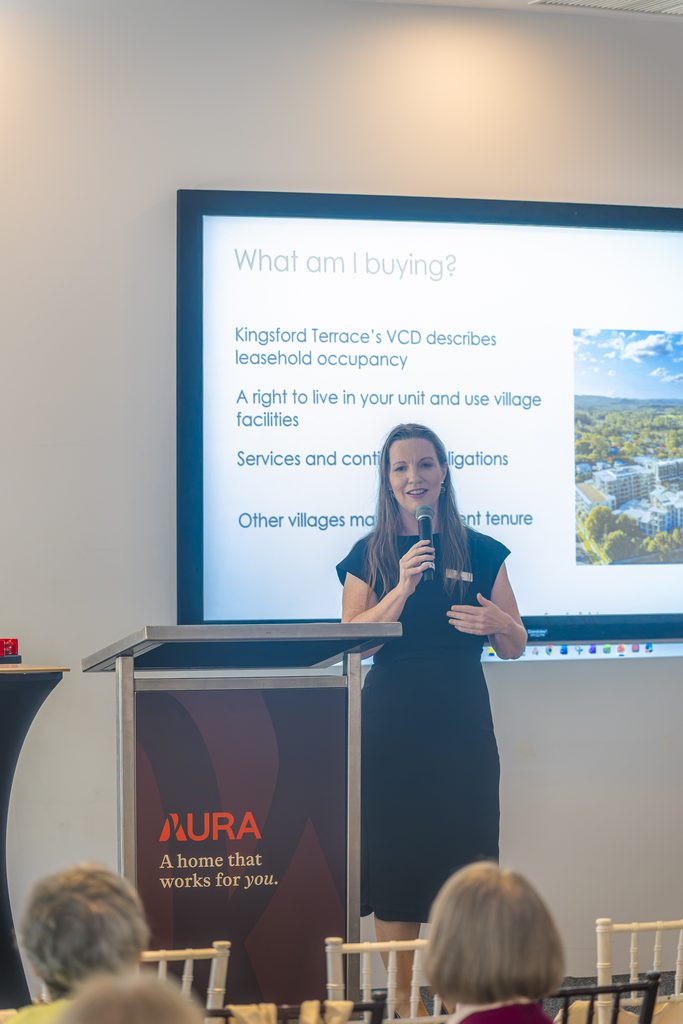
Danielle Lim | DSL Law
Understanding your legal rights is just as important as understanding the financial implications of retirement living.
Danielle Lim, Principal at DSL Law with extensive experience in the seniors living sector, explained key documents, questions, and considerations when entering a retirement village.
Her advice centred on one simple principle: ask questions, understand what you’re signing and make an informed decision.
What documents should you review before entering a retirement village?
Danielle discussed several documents that prospective residents should become familiar with.
Village Comparison Document (VCD)
In Queensland, a Village Comparison Document provides important information about a retirement village, including its facilities, services, accommodation options and general fees.
It is a useful starting point when comparing different communities.
Prospective Costs Document (PCD)
A Prospective Costs Document outlines the costs relevant to a particular residence and proposed agreement, helping prospective residents understand their financial commitments.
Residence contract
This sets out the rights and responsibilities associated with living in the village, including the conditions that apply when entering, residing in and leaving the community.
Danielle also encouraged guests to consider their broader legal affairs when planning a move.
This may include reviewing wills, enduring powers of attorney and advance health directives to ensure these documents continue to reflect their circumstances and wishes.
Questions worth asking
Before committing to retirement living, consider:
- What am I legally purchasing or receiving the right to occupy?
- What are my entry, ongoing and exit costs?
- What services and facilities are included?
- What happens if my circumstances or care needs change?
- What happens financially when I leave the village?
Danielle’s presentation reinforced the value of taking the time to understand the details and obtaining independent legal advice from someone familiar with retirement living contracts.
Downsizing without feeling overwhelmed
Susie Dash | Task Tamers
For many people, one of the most daunting parts of moving isn’t finding a new home. It’s deciding what to do with everything they’ve accumulated over the years.
From furniture and family photographs to collections, keepsakes and everyday household items, a home can hold decades of memories.
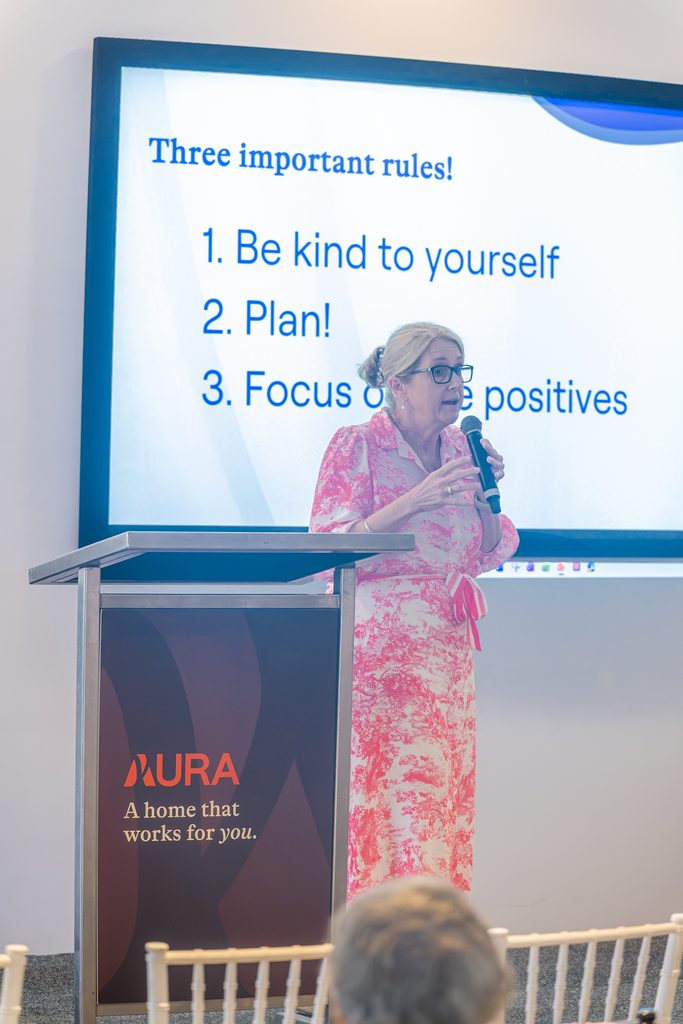
Susie Dash, Owner and Managing Director of Task Tamers, shared practical strategies for making the downsizing process feel more manageable.
Rather than treating downsizing as one enormous task, Susie encouraged guests to start early, create a plan and work through the process in smaller, achievable stages.
Five practical tips for downsizing your home
1. Start before you need to move
Downsizing doesn’t have to happen after you’ve made the decision to relocate. Starting early gives you more time to consider what matters to you and where your belongings might go.
2. Make a plan
Write down the tasks involved in preparing for your move, then assign realistic timeframes. Breaking the process into smaller steps can help reduce stress and maintain momentum.
3. Set aside three hours a week
Susie recommended short, focused decluttering sessions rather than attempting to sort an entire home in one weekend. Her team generally limits sessions to three hours because making so many decisions can become mentally exhausting.
4. Focus on the life you want to live
When deciding what to keep, consider how you want to spend your time in your new home. Which belongings will support that lifestyle, and which items would you rather leave behind?
5. Ask for help
Family, friends and professional downsizing services can provide practical assistance and another perspective when decisions become difficult.
Susie also shared her experience helping her own parents move from their family home of 44 years.
Her story highlighted an important benefit of planning ahead: the opportunity to make decisions on your own terms, rather than feeling rushed by an unexpected change in circumstances.
Downsizing isn’t simply about having fewer possessions. It’s about making more room for the things you enjoy.
Finding a home that works for you
Although each speaker brought a different area of expertise, a common theme emerged throughout the morning: planning ahead gives you more choice over how you want to live.
Whether that means prioritising your wellbeing, reviewing your financial arrangements, understanding your legal rights or gradually preparing your home for a move, taking small steps today can make future decisions easier.
At Aura Holdings, we believe the next chapter should be shaped around the life you want to lead.
For some, that might mean less time spent on household maintenance and more time enjoying favourite activities. For others, it may mean living in a welcoming community, with opportunities to connect with neighbours while maintaining privacy and independence.
During the forum, guests had the opportunity to see what this could look like at Kingsford Terrace Corinda, exploring the apartments and shared facilities and hearing firsthand about life in the community.
The event was also a reminder that there’s no single right time or reason to consider retirement living.
What matters is having the knowledge and confidence to make decisions that are right for you.
Take the next step at your own pace
Thank you to Dr Helena Popovic, Brad Monk, Danielle Lim and Susie Dash for sharing their knowledge, and to BBQ Bob Gallagher for guiding an informative and engaging morning.
We also thank everyone who joined us at Kingsford Terrace Corinda and contributed their questions and experiences.
If you’re beginning to explore retirement living, we’d love to help you understand your options.
Discover Aura’s communities, explore our available apartments or arrange a personal tour to find a home that works for you.
- Featured
- Brisbane
- Gold Coast
- Sunshine Coast
- Toowoomba
- Coming Soon


FAQ
It’s worth starting before you need to move. Early planning gives you time to explore your options, review your finances and gradually sort through belongings without unnecessary pressure. Even a few hours of preparation each week can make a difference.
Consider the location, apartment design, services, facilities, community atmosphere, financial arrangements and legal terms. Think about how well the village supports your current lifestyle and what you may need in the future.
Costs can include an entry payment, ongoing general services charges and exit costs such as a deferred management fee, depending on the contract. It’s important to understand the complete financial arrangement before making a decision.
Independent legal and financial advice is strongly recommended. Retirement village contracts can differ from conventional property purchases, and professional advice can help you understand your rights, obligations and the potential financial implications.
Regular movement, adequate sleep, good nutrition, social connection, meaningful activities and continued learning are among the everyday habits that can support brain health. Dr Helena Popovic also highlighted the importance of purpose, curiosity, oral health and breaking up long periods of sitting.
General information disclaimer: The information in this article is general in nature and is based on topics discussed at the Rightsize & Thrive Forum. It does not constitute personal medical, financial or legal advice. Retirement village fees, contract arrangements and individual entitlements vary. Seek advice from appropriately qualified professionals before making decisions about your health, finances or legal affairs.