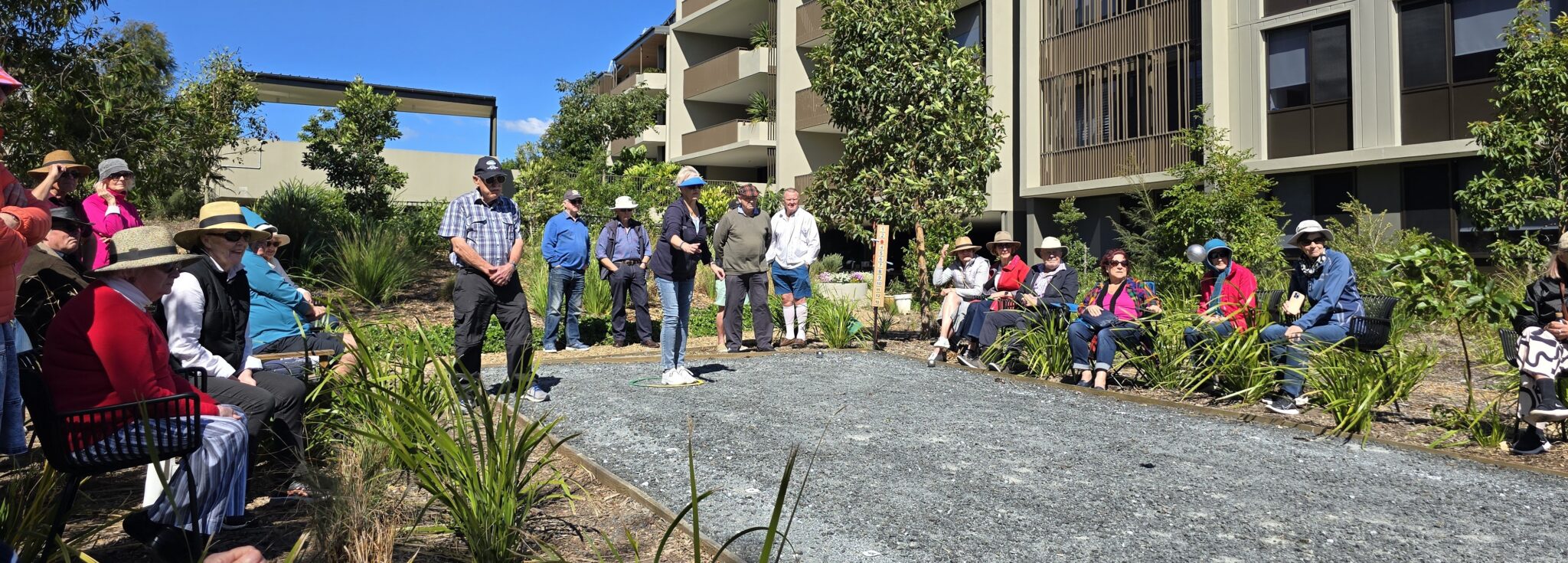



Right Size Your Life: A Practical Guide to Downsizing and Retirement Living
Deciding to downsize or move into a retirement community is rarely just about property; it’s about lifestyle, timing, finances, and future peace of mind.
At The Pavilion’s recent Right Size Your Life event, a panel of experts and residents shared honest, practical insights into what the transition really looks like from financial considerations to emotional readiness.
This guide brings in those insights together to help answer the most common questions people have when considering their next chapter.
Is Retirement Living a Financial Investment or a Lifestyle Choice?
One of the biggest mindset shifts is understanding that retirement living is primarily a lifestyle decision, not a traditional financial investment.
Financial adviser Renee Gamble explained that while many Australians have built significant wealth through their homes, that wealth is often locked away in a single asset.
Downsizing can unlock that capital not just to grow wealth, but to enhance quality of life.
Retirement living offers value that isn’t always measured in dollars, including:
- Reduced home maintenance
- Greater security
- Built-in community
- Access to amenities and services
- Flexibility to travel or “lock up and leave”.
Rather than focusing purely on financial return, many people begin to see the move as an investment in lifestyle, wellbeing, and time.

What are the Financial and Legal Considerations?
When moving into a retirement village, the financial and legal aspects are closely connected.
Solicitor Nicole (Ingleson & Lansdowne) explained that every decision should consider three key stages:
1. Cost to move in
This includes the purchase price and any upfront costs.
2. Cost to live
Ongoing fees typically cover services such as maintenance, insurance, and shared facilities.
3. Cost to leave
This is where Deferred Management Fees (DMFs), or exit fees, come into play.
A key takeaway:
- A solicitor helps you understand contracts, rights, and obligations.
- A financial adviser helps determine what structure suits your personal situation.
Both are essential to making an informed decision.
What Is a Deferred Management Fee (DMF)?
A Deferred Management Fee (DMF), also known as an exit fee, is one of the most misunderstood aspects of retirement living.
Put simply, it is a fee paid when you leave the community.
While it can sound daunting at first, it’s important to understand the purpose behind it.
In many cases, retirement apartments are priced lower than comparable properties in the same location. The DMF structure allows residents to:
- Retain more capital upfront.
- Enjoy a higher-quality lifestyle sooner.
- Access services and amenities without large ongoing maintenance costs
Rather than paying everything up front, part of the cost is deferred until the end.
Each village has a different structure, so it’s important to fully understand how it applies to your situation.
Are Retirement Living Costs Higher or Lower?
A common concern is whether retirement living is more expensive than staying in a family home.
In many cases, residents report the opposite.
Weekly or monthly fees often cover:
- Council rates
- Water rates
- Building insurance
- External maintenance
- Shared amenities
When these are compared to the ongoing costs of maintaining a standalone home, many people find retirement living can be more predictable and sometimes more affordable.
There is also no stamp duty on most retirement village purchases, which can be a significant saving.

When is the Best Time to Sell Your Home?
Property expert Alicia shared a simple but important truth:
The best time to sell is when you are ready.
While market trends (like spring selling seasons) can play a role, trying to perfectly time the market is often less important than:
- Being emotionally ready
- Finding the right next home
- Having a clear transition plan
For many downsizers, the least stressful approach is:
- Secure your next home.
- Prepare your current home for sale.
- Align timelines where possible.
With strong demand across Southeast Queensland and Northern New South Wales, well-presented homes continue to attract buyer interest year-round.
What Should You Keep When Downsizing?
Downsizing isn’t just a physical process; it’s an emotional one.
Professional downsizer Susie Dash recommends starting with a simple question:
“What kind of life do I want to live next?”
From there, practical tips include:
- Keep items you use regularly and truly love.
- Let go of things that no longer serve a purpose.
- Leave sentimental items (like photos and heirlooms) until last.
- Ask yourself: “Would I replace this if I lost it?”
Many people find that simplifying their belongings leads to a lighter, more flexible lifestyle.

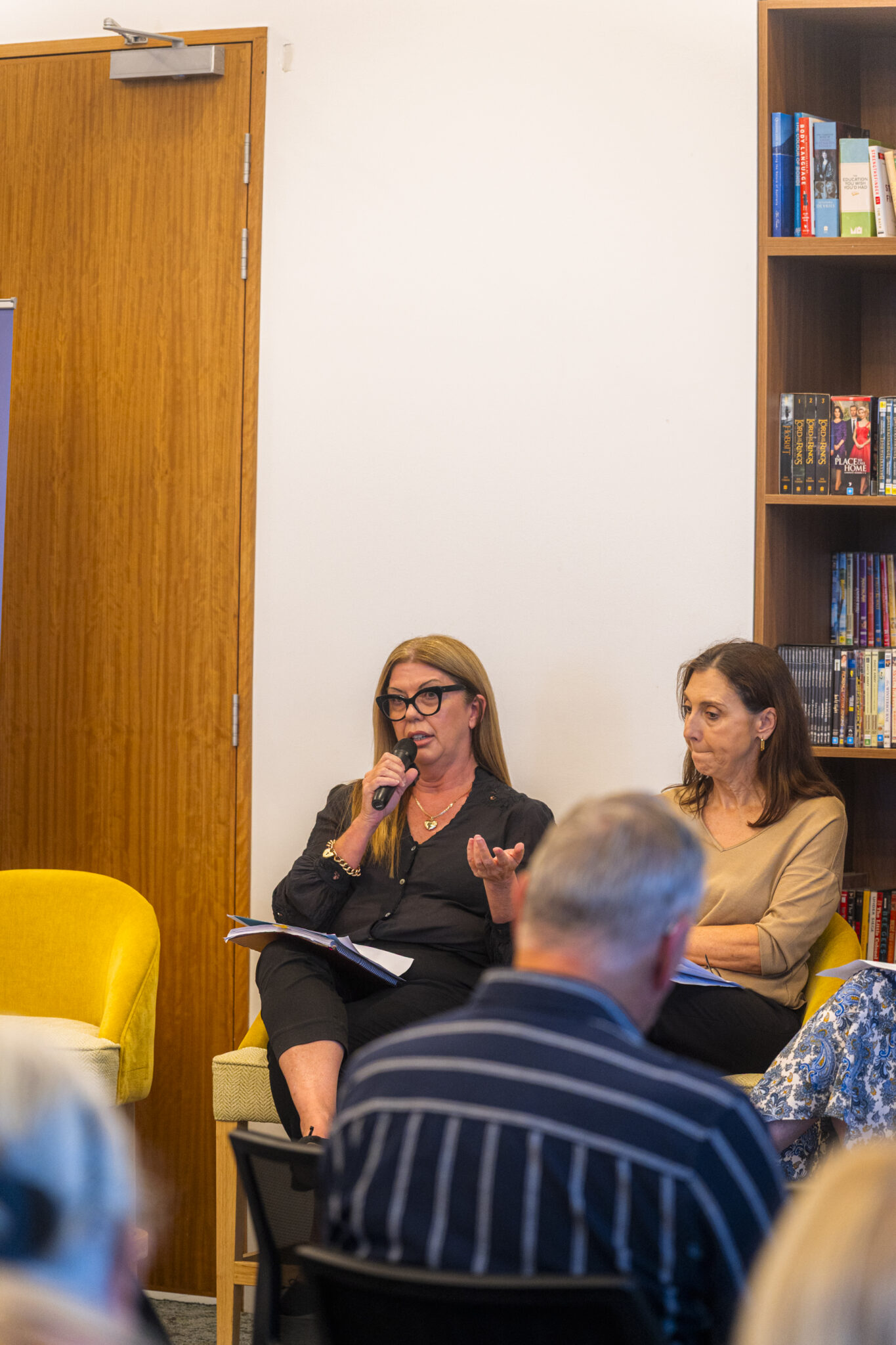
Expert Panel
Words from Residents Who’ve Made the Move
How Do You Know It’s the Right Time to Downsize?
For residents, the “right time” often comes down to a combination of lifestyle and practical needs.
Some of the most common triggers include:
- Increasing home maintenance is becoming overwhelming
- Changes in health or mobility
- Desire for more social connection
- Wanting to travel more freely
- Seeking a simpler, more manageable lifestyle
As one resident shared, the decision can sometimes happen quickly, especially when the right opportunity presents itself.
For others, it can take years of consideration.
There is no single timeline, only what feels right for you.
Can You Still Live Independently in a Retirement Community?
One of the biggest misconceptions about retirement living is that it limits independence.
Residents consistently say the opposite.
At The Pavilion, independence is a core part of the lifestyle:
- Participate in activities or don’t.
- Maintain your own routines.
- Come and go as you please.
- Stay connected to the wider community.
With public transport, local amenities, and social opportunities close by, residents often find they have more freedom, not less.
How Does Downsizing Improve Lifestyle and Well-being?
Many residents report noticeable improvements in their health and well-being after making the move.
Reasons include:
- More time for exercise and hobbies
- Easier access to facilities like gyms and pools
- Increased social interaction.
- Reduced physical strain from home maintenance.
As one resident shared, simply living in a warmer climate with access to outdoor activities made a significant difference to their overall health.

What Advice Do Residents Give?
Perhaps the most powerful insights come from those who have already made the move.
Common themes include:
- The sense of relief from leaving behind home maintenance.
- The ease of everyday living
- The value of community and connection
- The convenience of location and amenities
And perhaps most importantly:
Many wish they had done it sooner.
Resident Panel
Final Thoughts: Is It Time to Right-Size Your Life?
Downsizing and moving into retirement living is not just about changing where you live; it’s about redefining how you live.
While financial and legal considerations are important, the decision often comes down to:
- How do you want to spend your time?
- What brings you comfort and security?
- The lifestyle you want to enjoy moving forward.
With the right information, support, and planning, the transition can be not only manageable but genuinely life-enhancing.
If you’re beginning to explore your options, consider speaking with professionals, visiting communities, and hearing directly from residents.
Because sometimes, the biggest step forward is simply starting the conversation.


The Pavilion North Kirra
Unmatched comfort and security, vibrant social connections, and a range of tailored amenities